In this half-day excursion, you will visit the village of Santillana del Mar, listed as one of the most beautiful villages in Spain, and you will see the neocave, a scale replica of the famous Altamira cave.
- You will visit the Altamira Museum and the Neo-cave
- You will get to know one of the most beautiful cities in Spain, Santillana de Mar
- You will visit the Collegiate Church of Santa Juliana
- You will enjoy free time for shopping in Santillana
| Included | Tour guide |
|---|---|
| Not included | Food and drink. |
| Duration | 4 Hours 30 Minutes |
| Bring along | Comfortable shoes. |
| Participants | Tour takes place for 4 to 8 people (however, the group could go up to 20 people in high season) |
| Important information | The tour is not suitable for people with reduced mobility. It is important to write down the address of your hotel and contact phone, so that you can coordinate a day before the meeting point
|
Further information
After picking you up at your hotel, we will head towards Santillana del Mar. On the way to Santillana, we will travel several kilometers along the "Camino," one of the pilgrimage routes leading to Santiago de Compostela. With a bit of luck, you may spot a pilgrim on your journey. We will take a quiet secondary road that passes through several villages before reaching Santillana.
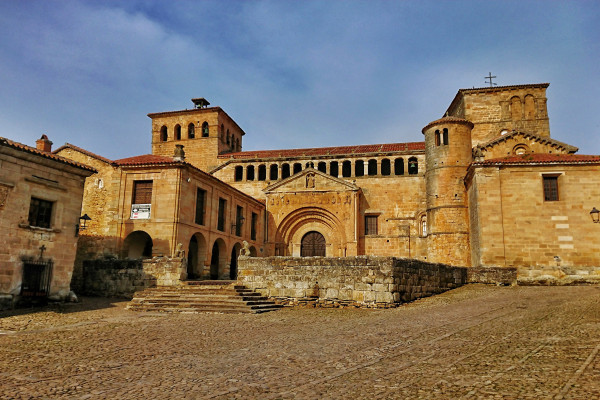
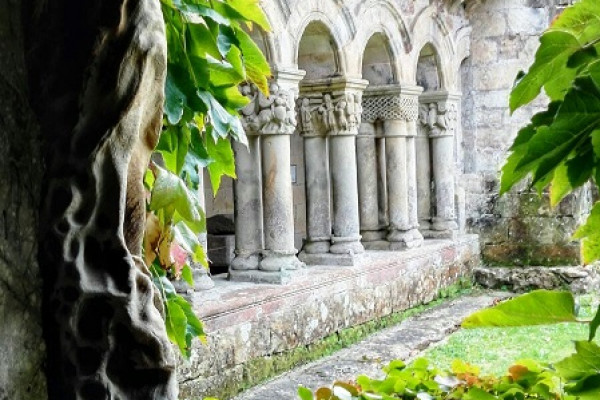
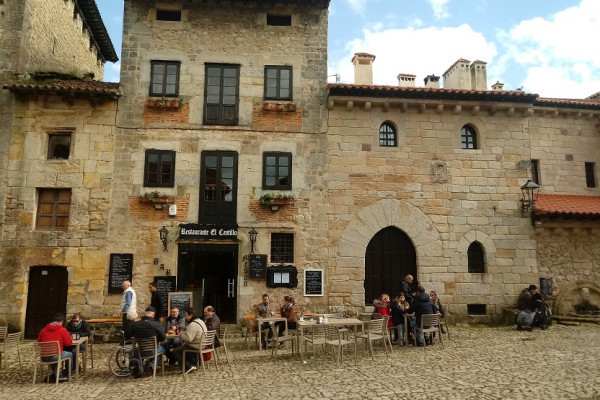
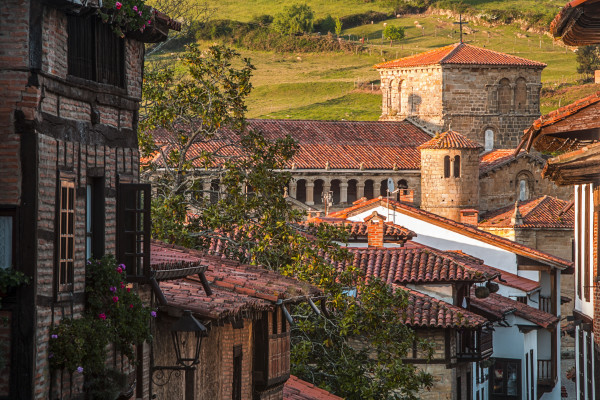
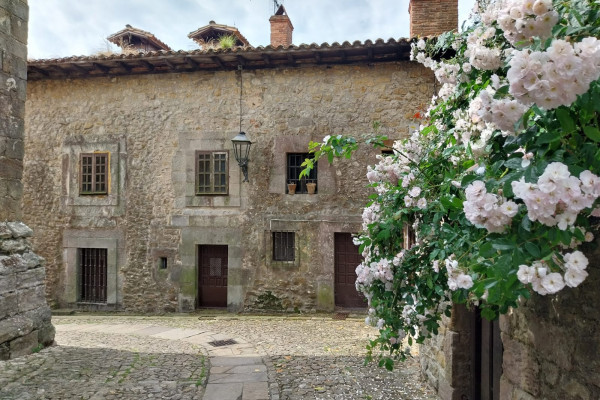
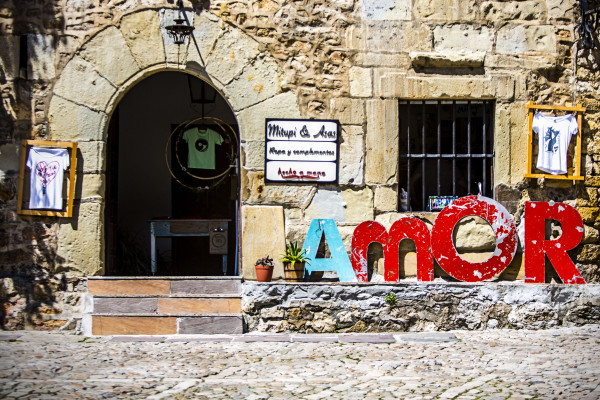
The tour of the village will be on foot, as the historic center is a pedestrian zone. As you walk along its cobbled streets, you will admire the medieval houses, towers, and palaces that make up the town, transporting you to another era. Here, you will have the chance to visit the Collegiate Church of Santa Juliana, built in the 12th century and a jewel of Romanesque architecture in Cantabria. If you'd like, you can also visit the museum of local sculptor Jesús Otero. After our walk through the center, you will have free time to shop or grab a drink.
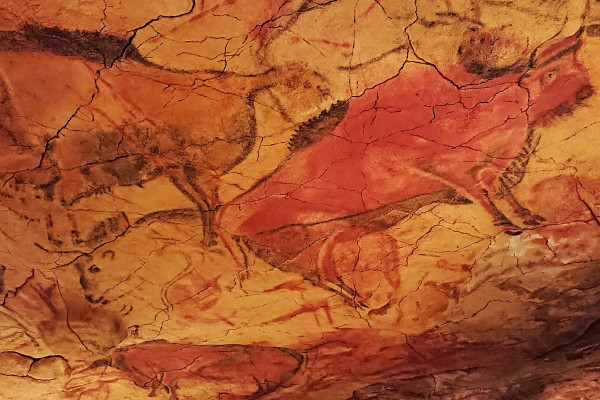
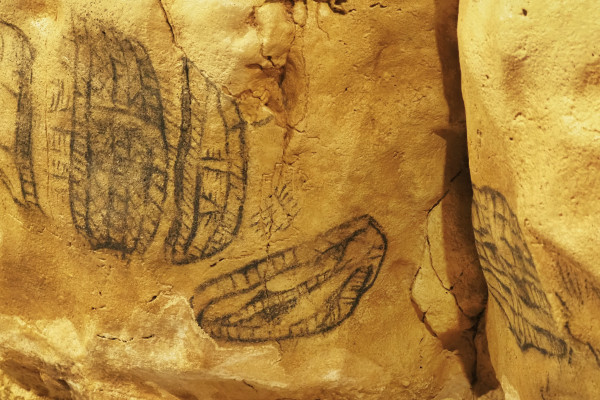
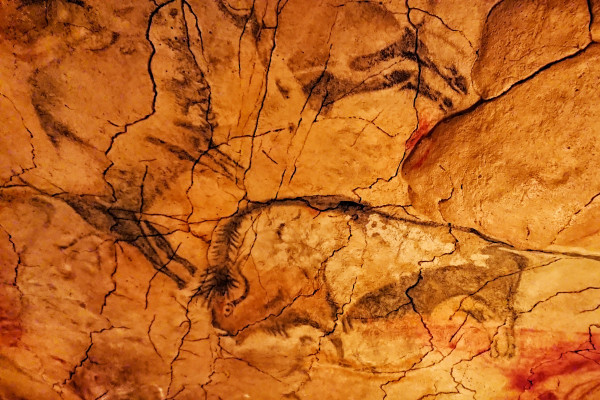
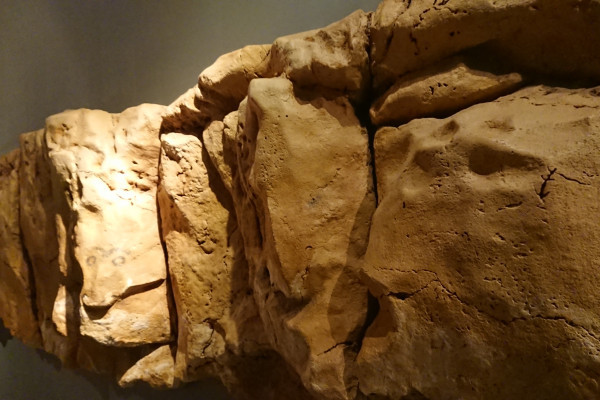
Our next stop will be the Altamira Museum and Research Center, home to the famous Altamira cave. This cave, also known as the "Sistine Chapel of Cave Art," has been a UNESCO World Heritage site since 1985. The cave was discovered in 1879 by Cantabrian lawyer Marcelino Sanz de Sautuola. Aside from the immense artistic and historical value of its paintings, it stands out as the first cave discovered in the world with Paleolithic art. As visits to the original cave are limited to the general public, we will visit the neocave.
The visit is very comfortable, as it is a faithful replica of the original and essential for better understanding the Paleolithic art left to us by our ancestors.
